
In Hail, a surprising number of customers meet your business on a map before they ever see your website. A buyer looks up the farm, a visitor searches for the meeting point of a desert trip, a patient checks how far the clinic is. If the pin is wrong or the name looks odd, the website never gets its chance. That is why web design Hail businesses can depend on starts with location: a precise pin, a consistent name, then pages that answer the questions people ask before they make the drive. This guide is written for managers, doctors, tour operators and agribusiness teams who work in English.
In short:
- Many Hail customers find you on Google Maps first and open your website to confirm. Plan the two together.
- No street number? Google's guidelines let you place the pin directly on the map. Put it on the gate or entrance people drive to, and share its Plus Code.
- Keep the profile name in one language and one script. Repeating the same name in Arabic and English is listed as not acceptable, even if your sign shows both.
- Farms sell to distant buyers with a seasonal product page and a wholesale enquiry form. Tour operators sell with a clear programme and an exact meeting point.
- Choose a provider who asks how customers reach you, not only which colours you like.
In this guide
How customers actually find a business in Hail
Hail is not a city where most people browse company websites for fun. They search with a purpose, usually on a phone, and three patterns come up again and again.
The nearby customer
A resident types "dentist", "car service" or "pharmacy" and picks from the map. He looks at distance, reviews and opening hours, then taps call or directions. Your website matters to him mainly as confirmation: are the hours real, is this the right branch, do they accept my insurance?
The visitor from elsewhere
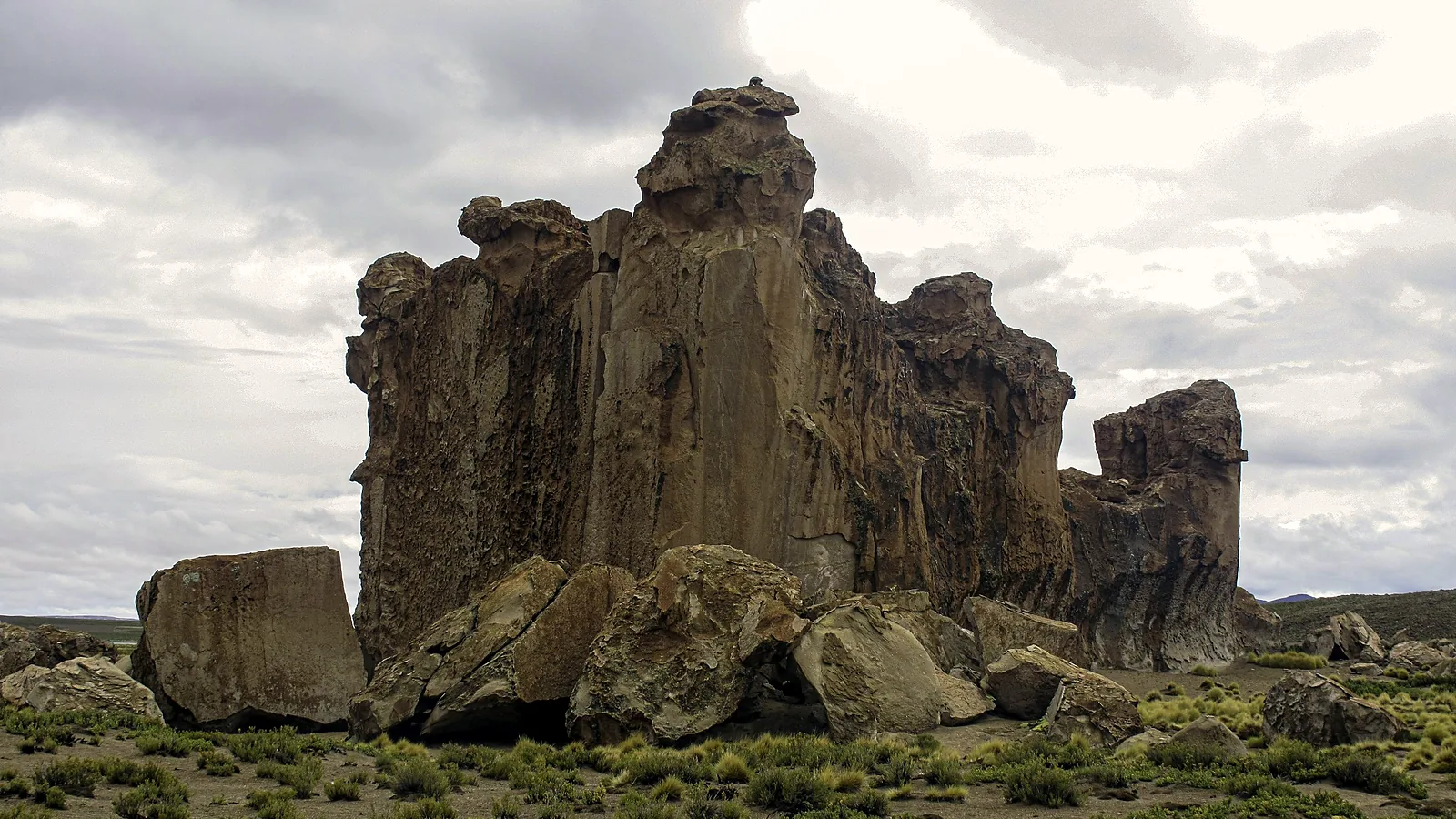
Visit Saudi describes Hail as surrounded by historic forts, rock art listed by UNESCO and dramatic landscapes, with the Nafud desert drawing people for off-road driving. Visitors from other regions, and from abroad, plan these trips in advance. They compare places to stay and guides they have never met, and they need a pin they can trust on roads they do not know.
The buyer who never visits
A trader, restaurant group or distributor in another city buying from a Hail farm or small producer. He may never see the fields. He decides on what he reads: what you produce, when, in what quantities, and how an order is placed and delivered.
All three depend on the map and the website agreeing with each other. The map brings people to your gate; the website persuades them the journey is worth it.
The map gets people to your gate. The website convinces them the drive is worth it.
Web design Hail starts on the map
Plenty of Hail businesses do not sit on a numbered street: a farm on a side road, a winter camp in the desert, a rest house outside the main districts, or a shop inside a complex the map does not name. Before you plan any pages, decide how your location will be represented. Google's guidelines for representing your business give you several options, and they suit different kinds of business:
| Option | When it fits | What the guidelines say | What to put on your website |
|---|---|---|---|
| Full street address | A shop, clinic or office on a numbered street that receives customers | Use a precise, accurate address; keep permanent signage at the address | The same address, a map and directions |
| Pin placed on the map | A farm, camp or site with no street number, or one the system cannot find | If the address has no street number, you can pin the location directly on the map | The pin link, its Plus Code and a short "how to reach us" note |
| Service area, address hidden | You travel to customers and do not receive them, such as pump maintenance or water delivery | Hide the address and set a service area, generally within about two hours' drive of your base | The towns and districts you really cover, and response times |
| Address plus service area | You receive customers and also serve them on site | Allowed if the location is staffed and receives customers during its stated hours | Both: the address and the area you cover |
Two more points from the same guidelines matter in Hail. Landmarks and cross-streets belong in the address only where the official address does not pinpoint the business. And P.O. boxes, or a rented mailing address you do not work from, are not eligible.
Plus Codes for places without addresses
Google describes Plus Codes as working like a street address for places that do not have one. They are based on latitude and longitude, shown as a short string of letters and numbers, and appear when you drop a pin in Google Maps. Put your Plus Code on the contact page, in booking confirmations and on invoices. Then turn the map link into a printed QR code and put it on the farm gate sign, a business card or delivery notes, so a returning customer finds you with one scan.
For setting up and verifying the profile itself, see our guide to Google Business Profile in Saudi Arabia.
One name, one script: profile rules that catch bilingual teams
Bilingual teams tend to want everything in both languages. On a website that is right. In the name field of a map profile it is not. Google's guidelines list "repeated bilingual names", meaning the same business name repeated in two languages or scripts, as not acceptable, even when the storefront sign shows it that way. Choose the form your business is registered and known by, use it in the profile, and let your bilingual website carry the other version.
The same guidelines say the name should reflect the real-world name used on your sign, website and stationery, without added service descriptions, location notes, taglines or phone numbers. A Hail clinic called by its registered name passes; the same name followed by "dental implants and whitening near the university" risks suspension.
Seasonal hours
Many Hail businesses are seasonal: winter camps, harvest sales, event-period pop-ups. The guidelines are practical here. During the season, set your regular hours. Off-season, you can mark the business as temporarily closed, then restore regular hours when you reopen. You can also mention the season in the business description. Mirror this on your website with a clear line such as "Open for the winter season; bookings open in advance", so nobody drives out to a closed gate.
Keep the details identical everywhere
Name, phone number, hours and pin should match across the profile, the Arabic site, the English site and your social accounts. Phone numbers on the English version should use the +966 format. When details drift apart, customers lose trust before they lose their way.
Farms and agribusiness: selling to buyers who never visit
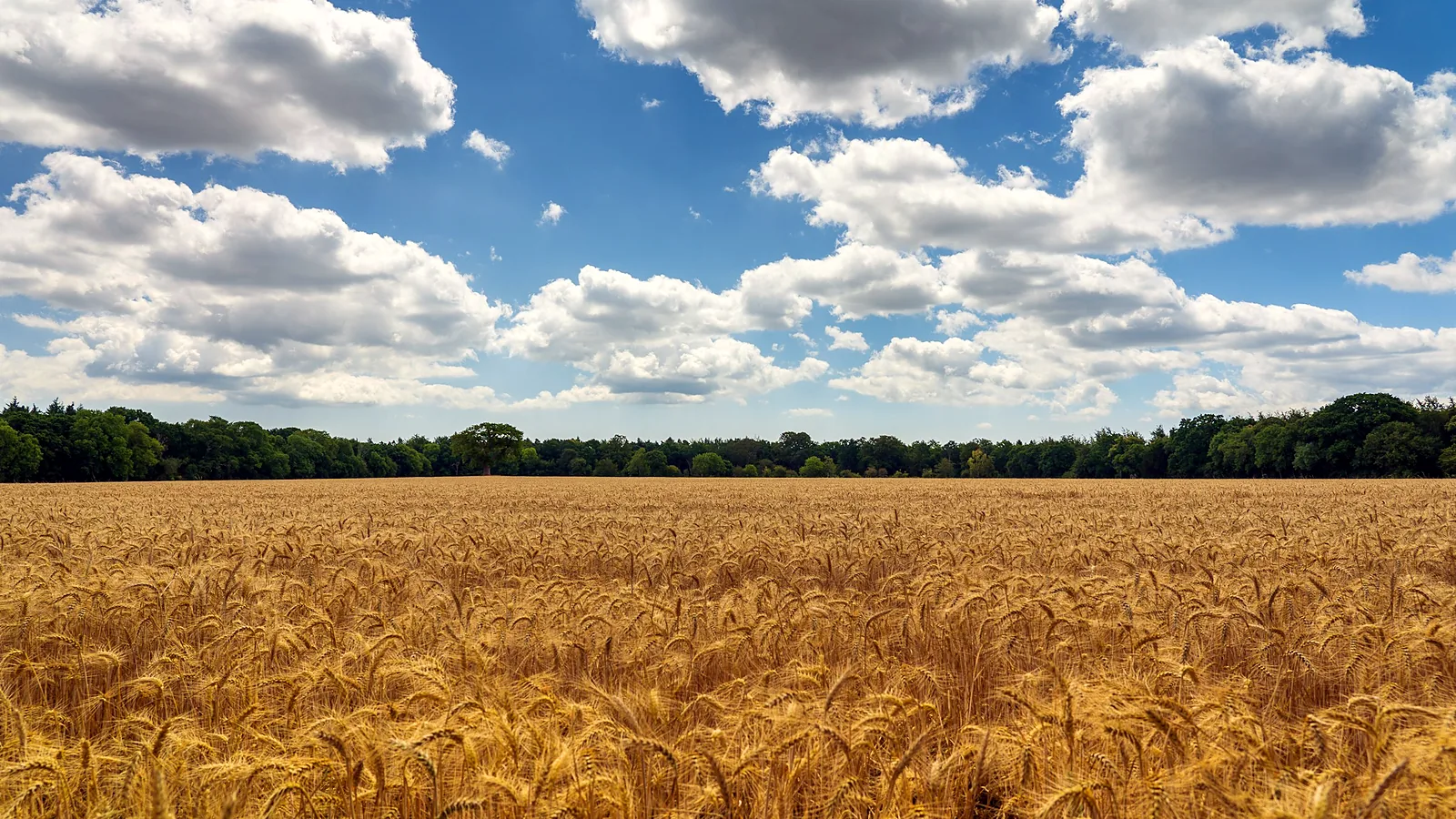
Agriculture is part of the Hail region's economy, and many farms sell well beyond the region. Yet much of that selling still runs on phone calls and WhatsApp threads, which break down when the farm manager is in the field or the agronomist only works in English. A website gives buyers the answers before they need to ask.
A worked example
Take a hypothetical farm near Hail growing seasonal vegetables and fruit, run by a Saudi owner with an expat farm manager. It sells wholesale to traders and restaurant groups in other cities and sells boxes to families during the season. A sensible site plan:
- Home: one sentence on what the farm produces and who it sells to, with two clear buttons: "Wholesale enquiry" and "Order for your family".
- Products and seasons: a table of each product with its approximate months of availability, noting that weather shifts the dates. This is the page wholesale buyers use most.
- Wholesale enquiry: a form asking for product, approximate quantity, destination city, delivery date and packing requirements.
- Family orders: box sizes and this season's prices, pickup or delivery options, and a WhatsApp button with a pre-filled message that already names the box size and pickup day.
- About the farm: real photos of fields and packing, growing methods if they matter to buyers, and registration details.
- Visit or collect: the gate pin, its Plus Code, collection hours and a phone number that is answered during the season.
Three mistakes show up again and again on farm websites: stock photos that have nothing to do with the farm, last season's prices left online, and no information at all about quantities. A wholesale buyer who cannot see what volume you handle usually assumes it is too small.
When individual orders grow to the point where answering each message is a burden, a store on Salla or Zid, using the payment and shipping options those platforms provide, may be the next step.
Heritage and desert tourism for international visitors
UNESCO's World Heritage listing for the Rock Art in the Hail Region, inscribed in 2015, has two components: Jabal Umm Sinman at Jubbah, about 90 km northwest of Hail city, and Jabal Al-Manjor and Jabal Raat at Shuwaymis, about 250 km south. UNESCO notes petroglyphs and inscriptions attributed to almost 10,000 years of human history. Visit Saudi adds the forts and palaces in and around the city, Souq Barzan, the Aja and Salma mountains and the Nafud desert, and advises starting early in the day and joining guided tours for remote areas.
For a tour operator, camp or guesthouse, that means visitors who travel far, often for the first time, and who need a lot of practical detail before they commit. English-speaking visitors in particular will not phone to ask. Your English pages should answer, in roughly this order:
- What happens on the day? Departure time, stops, time at each stop and the return time.
- Where do we meet? A pin and Plus Code for the meeting point, the driving time you measured yourself, and whether a four-wheel-drive vehicle is needed.
- What is included? Transport, meals, guide and equipment, and what is not included, stated plainly.
- What should I bring? Water, layers for cooler evenings, sun protection and sensible shoes.
- What are the site rules? Ask visitors to respect preservation rules at heritage sites and never touch or mark the rock art. UNESCO lists vandalism among the threats to these sites, and a serious operator says so.
- Are you licensed? If your activity requires a tourism licence, show its details clearly.
Do not promise access or experiences you cannot arrange yourself. Describe what you provide and leave the rest to the relevant authorities. Guesthouses and serviced apartments will find more detail on our page about websites for hotels and furnished apartments. When bookings start to clash, a booking system that shows only available slots can replace the back-and-forth; it is quoted separately after a consultation.
Clinics and local services with English-speaking patients and customers
Hail's clinics, pharmacies, workshops and service companies often employ expat professionals and serve a mix of Arabic and English speakers. Visit Saudi also mentions seasonal events and festivals in the city, and those weeks bring more visitors and unusual hours. Good web design Hail clinics and workshops can rely on is, above all, about accuracy.

Clinics and medical practices
Specialties, doctors, how to book, accepted insurers, the exact location and where to park. Avoid exaggerated treatment claims, and if a booking form collects health information, explain how it is stored. See websites for medical centres.
Shops, workshops and restaurants
One page per branch with its address, pin, hours and direct number. Before each season or holiday, check three things: special hours on the map profile, hours on the website and any offers you have published.
Services that travel to customers
Plumbers, electricians, air-conditioning technicians, water suppliers and farm maintenance teams. List the towns and districts you actually reach, typical response times and how to request urgent work.
English for staff and patients
If your doctors or engineers work in English, or a share of your patients do, add complete English pages for services, booking and contact rather than a single summary page. Our bilingual website design guide explains how.
Choosing a provider and running the project remotely
You may look for an agency in Hail itself, or work remotely with one elsewhere. Either way the criteria are the same, and in Hail you should add questions about location. A remote project that is run well looks like this:
Short call
Describe the business, how customers reach you and your seasons. Mention whether your location has a street number.
Written scope before payment
Pages, languages, features, price and what is covered after launch, in one written message or quote.
Content, photos and the pin
Send real photos from your phone, your registration details, and the exact pin or Plus Code of your entrance.
Preview link
Review the design on your phone and laptop, share it with your partner, and send numbered feedback in one message.
Launch and follow-up
The site goes live on your domain with Google Search Console and a sitemap, and you know whom to contact for updates before each season.
Get written answers to these questions from any provider you consider:
- Did they ask how customers reach you and when your busy seasons are?
- Will the contact page include an accurate pin, a Plus Code and a directions link, or only a typed address?
- Will they match the name, phone number and hours between the website and the map profile?
- Whose name is the domain registered in? It should be yours.
- Who writes the content in each language, and will you see the design on a preview link before launch?
- What is included after launch, and can you update prices and seasonal dates yourself?
Treat three things as warning signs: a promise of first place on Google by a certain date, dozens of near-identical pages for every district and town, and a domain registered in the provider's name. Our guide on how to choose a web design company goes further. Done this way, web design in Hail with a provider in another city needs no travel at all; the only on-site work worth paying for is usually professional photography, which a local photographer can handle.
Working with Webnaa from Hail
Webnaa is a Saudi web design company based in Riyadh. We have no office in Hail; we work with businesses there remotely, by phone, WhatsApp and preview links. Our website design service starts from SAR 39 a month for a one-page, one-language site on a Webnaa subdomain, which can be enough for a small farm or workshop starting out. The price of a site on your own domain depends on its type, languages and number of pages, and the price calculator shows it in seconds. Every plan includes:
- Content written for you, in Arabic, English or both, with a full interface for each language.
- The design sent on a preview link within 24 hours of receiving your complete information, before it goes live on your domain.
- A contact page with your map location, a WhatsApp button and a direct call number.
- Hosting and SSL, and a domain in your name on every own-domain site.
- A money-back guarantee if you do not like the design during the design stage.
- A consultation that is always free.
Setting up your Google Maps business profile, booking systems and online stores are separate services, quoted in writing after the consultation. Nobody can promise a ranking on Google, and we will not; we deliver a clear, fast site that is technically set up to be found.
Be found on the map, and trusted when they arrive
Check your price in the calculator, then send us your details and your location pin to review the design on a preview link.
Serving customers in other regions too? Read our guides to web design in Riyadh and web design in Qassim.
FAQ
How much does a website cost in Hail?
There is no Hail price. Cost depends on pages, languages, features, who writes the content and what is covered after launch. At Webnaa prices start from SAR 39 a month for one page on a Webnaa subdomain, and the price calculator shows the price of a site on your own domain.
Our farm has no street address. How do we appear on Google Maps?
Google's guidelines allow you to place your location directly on the map when the address has no street number or the system cannot find it. Put the pin on the gate customers drive to, copy its Plus Code, and use it on your website, booking confirmations and invoices.
Can we show our business name in Arabic and English in the map profile?
Not in the name field. Google lists repeating the same name in two languages or scripts as not acceptable, even if your sign shows both. Use one registered form in the profile and show the other on your bilingual website.
We only operate in winter. What should we do with our hours?
Set regular hours during the season and, according to Google's guidelines, mark the business as temporarily closed off-season, restoring the hours when you reopen. State the season clearly on your website too.
Is a map profile and an Instagram account enough?
For a small shop at the start, possibly. But neither explains seasons, quantities, programmes or booking terms the way a website you control does, and wholesale buyers and visitors planning from far away need pages they can read and forward.
Do we need an English version in Hail?
If your staff, patients, buyers or visitors include English speakers, yes, and it should be complete rather than a single summary page. If you serve only Arabic-speaking neighbours, start with a strong Arabic site and add English when your own enquiries show the need.
Summary
Web design in Hail begins with the road to your door. Pin the real entrance, share its Plus Code, keep one name in one script on your map profile, and change your hours with the seasons. Then build pages that answer each customer's real question: seasons and wholesale terms for the farm, a programme, meeting point and licence for the tour operator, and address, hours and booking for the clinic or shop. Choose a provider who asks how people reach you, and keep every detail identical across the map, the Arabic site and the English site.
Sources: UNESCO: Rock Art in the Hail Region of Saudi Arabia, Visit Saudi: Hail, Google: guidelines for representing your business and Google: Plus Codes, all consulted in November 2026. For service terms: Webnaa pricing and terms and conditions.