
Qassim's date trade runs on relationships, phone calls and WhatsApp, and for decades that was enough. Today the buyer may be a retail chain in Riyadh, a hotel group's procurement team or an importer abroad who has never visited Buraidah, and the first thing they do is look you up. Good web design Qassim businesses can rely on is therefore less about decoration and more about answering a buyer's questions in Arabic and English: what you sell, in which packs, in what quantities, with which documents, and how to order. This guide is for owners, export managers and bilingual sales teams at date packers, wholesalers, farms and food producers in Buraidah, Unaizah and the wider region.
In short:
- Decide who your website is for before you decide how it looks: retail customers, domestic wholesale buyers, corporate gift buyers or importers.
- Arabic stays first for local customers. Add English where the buyer reads English: wholesale, export, product specifications and company pages.
- Product pages for trade buyers should read like spec sheets: grade, pack sizes, carton details, minimum order, storage and lead time.
- Only state certifications, marks and export capabilities you actually hold, and keep them identical on the site and in your PDF profile.
- Plan the website around the harvest season: ready before it, updated during it, and still useful after it.
In this guide
Web design in Qassim starts with who buys from you
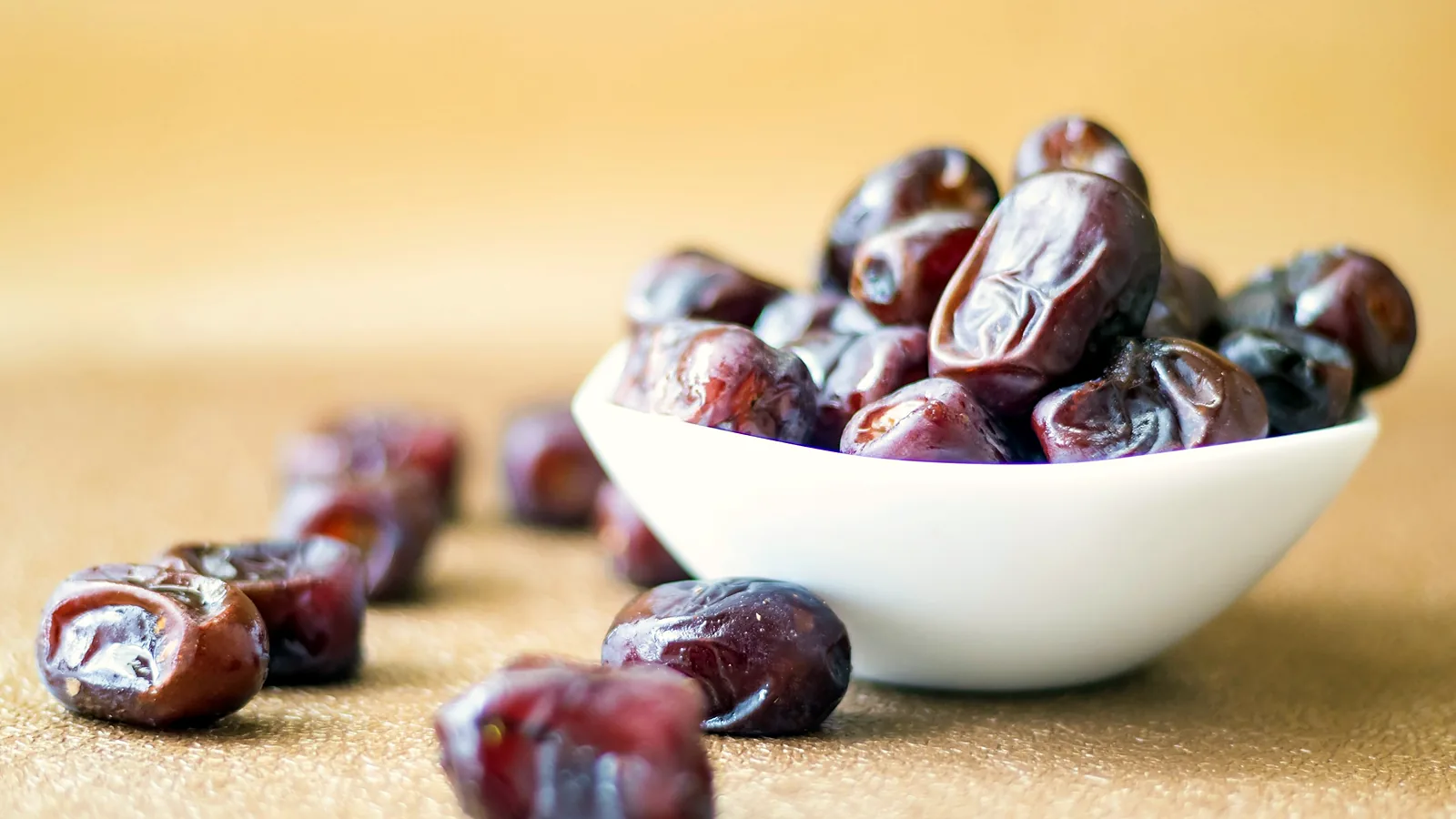
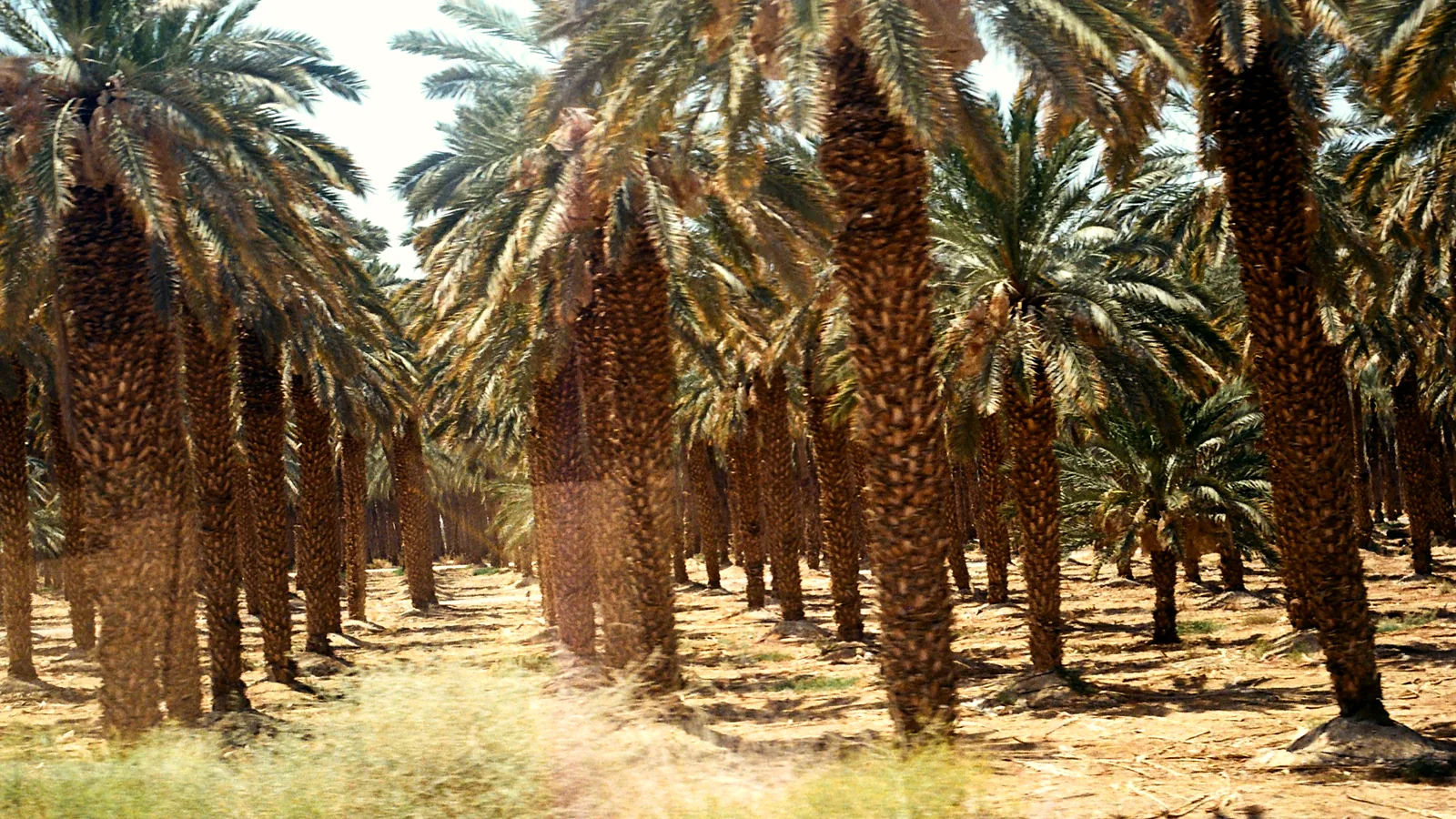
Visit Saudi, the official tourism site, describes Qassim as an agricultural heart of traditional culture, famous for the annual Buraidah Date Carnival and its farm experiences. The National Center for Palms and Dates reports more than 37 million palm trees in Saudi Arabia, more than 300 date varieties, and exports to 127 countries. For a business in the region, that scale is an opportunity, but it also means your buyer is comparing you with many other suppliers, often without meeting any of them.
Most Qassim businesses in the date trade sell to some mix of four buyers. Each one needs something different from the same website:
Retail customers
Buy a box or two for home or as a gift, mostly in Arabic and mostly on a phone. They want a clear photo, a price, the net weight and a quick way to order.
Domestic wholesale buyers
Shops, cafés, hotels and distributors in other cities who buy by the carton or the tonne. They want a variety list, pack options, a minimum order and a fast quote.
Corporate gift buyers
Companies ordering gift boxes for staff, guests or Ramadan. They want branded packaging options, a VAT invoice, a firm delivery date and one person to deal with.
Importers and export agents
Buyers abroad who read English first. They want specifications, documents, capacity and evidence that the company is established and reliable.
If you sell mainly to the first group, your website is a shop window with an order button. If you sell mainly to the last three, it is closer to a sales brochure and a specification library. Many family firms in Buraidah and Unaizah serve all four, which is why the structure matters more than the colour scheme.
Arabic first, English where the buyer reads it
Most customers in Qassim, and most domestic buyers, will use the Arabic site. That should remain complete and well written. English earns its place when a real reader needs it: an export buyer, a hotel group's international procurement team, an expatriate manager at a food company, or a foreign partner reviewing you before a meeting.
You do not have to translate every page. A sensible split for a date business looks like this:
- Both languages: home, company profile, wholesale and export, product specifications, certifications, contact.
- Arabic only, at first: retail gift boxes, local delivery zones, seasonal offers for customers in the region.
- English only, if needed: a short page for importers explaining documents, shipping terms you work with and how to request samples.
A few details make English pages look professional rather than translated:
- Pick one English spelling for each variety name and use it everywhere: on the website, the price list, the carton label and the PDF profile.
- Give weights in kilograms and pack counts in plain numbers, and keep them identical in both languages.
- Write the English yourself or have a fluent writer do it. Machine translation of food descriptions often produces phrases that put buyers off.
- Give each language its own URL so search engines can index both versions properly.
For the technical side of a two-language site, see our guide to bilingual website design.
Brochure site, wholesale catalogue or online store?
The right model depends on how you sell and how much day-to-day work you can take on after launch. This table compares the four common options for a Qassim food or agriculture business:
| Model | Who it serves | Day-to-day work | Main risk |
|---|---|---|---|
| Brochure site with WhatsApp ordering | Retail and local trade buyers who prefer to message | Answering WhatsApp quickly and keeping the variety list current | Slow replies lose orders, especially in the season |
| Wholesale catalogue with quote requests | Shops, hotels, distributors and corporate buyers | Updating pack options and sending quotes within a set time | Publishing trade prices that change with quantity or season |
| Online store with payment and shipping | Retail customers across the Kingdom | Daily stock updates, shipping, returns and customer service | Selling stock you no longer have, and store registration requirements |
| Export pages and PDF profile | Importers and agents abroad | Keeping specifications, documents and capacity accurate | Claims a buyer can check and find untrue |
Most established packers combine the second and fourth models and add a small retail section. A family shop that sells mostly gift boxes in the season usually does better starting with the first model and adding a store once it knows which packs sell. If you are weighing platforms for a store, our comparison of Salla, Zid and WooCommerce sets out the trade-offs, and Saudi website legal requirements covers the rules that apply to online selling.
Product pages that work as spec sheets
A trade buyer reads a product page the way an engineer reads a datasheet. They are looking for the facts that let them decide whether to ask for a quote. For each variety or product line, give them:
- Variety and grade, with one line describing taste, texture and size, and how your grades differ if you sell more than one.
- Pack options: retail boxes, cartons, vacuum packs, bulk cases, with net weight per unit.
- Carton and pallet details if you ship in volume: units per carton and cartons per pallet, as you actually pack them.
- Storage and shelf life as you test and label them, plus any cold-storage requirements.
- Minimum order and lead time for each pack, in and out of season.
- Private label: whether you pack under the buyer's brand, and from what quantity.
- Documents available on request, listed by name, rather than vague phrases such as "all certificates available".
Photos matter here too. Show the product close up in natural light, the open and closed pack, and your packing area. Buyers notice when every image on a site is a stock photo.
Export and trust signals
The National Center for Palms and Dates offers services that matter to exporters: a public list of facilities holding the Saudi Dates Mark, and a service for issuing date export certificates and checking shipment conformity through accredited centres before customs. It also runs an online platform for seasonal date markets. If you hold the mark or export through these procedures, say so clearly and accurately on your export page. If you do not, leave it out. An importer who checks and finds a gap will not come back.
Beyond that, an export-ready site shows the registered company name exactly as on your commercial registration, your CR and VAT numbers, a real address, a company email on your own domain and a short, current PDF profile with the same facts. Our guides to a B2B website in Saudi Arabia and company profile website pages list the pages in more detail, and if you run a packing plant or food factory, see what factory and industrial websites usually include.
Orders, delivery and the harvest season
However good the catalogue, the website has to turn interest into a clear request. For retail buyers that is usually a WhatsApp message; for trade buyers, a short form.
WhatsApp orders that arrive complete
A plain WhatsApp button opens an empty chat, and the first message is usually "price?". Set each button to open with a prepared message that names the product and pack, so you receive a near-complete order. Use one number for orders, publish the hours it is answered, and set the automatic reply to ask for the city and quantity straight away.
Quote forms for trade buyers
Keep the form short: company name, city or country, product, pack, quantity, required date and a contact number. A buyer who has to fill in fifteen fields will message a competitor instead. Reply within the time you publish, even if the reply is that you need a day to confirm stock.
Delivery zones and collection
Spell out delivery by zone: within Buraidah, within Unaizah, the rest of the region, other cities by courier, and international by arrangement. Mention how you protect packs from summer heat. If buyers can collect from your shop or farm, give an exact map pin and keep your Google Business Profile consistent with the website; we offer Google Maps business profile setup as a separate service.
The season on your website
Visit Saudi lists the Buraidah Date Carnival as an annual event, but dates are announced by the organisers each year, so never publish a date you have not seen announced. What you control is timing on your own site. Weeks before the harvest, update varieties, photos and pack options and open pre-orders for corporate gifts you can commit to. During the peak, update availability daily and say honestly when lead times stretch. After the season, keep the site alive with stored dates, processed products and pages for Ramadan and corporate gifting, rather than leaving last season's banner in place.
A website that is current in the season sells; one left untouched afterwards loses the buyer's trust for the next one.
Worked example: a Buraidah packing house with local and export buyers
Take a hypothetical family company in Buraidah. It owns farms, runs a packing house and a retail shop, and sells in three directions: gift boxes to local customers, cartons to retailers in Riyadh and the Eastern Province, and bulk packs to two importers in the Gulf. The founder's son runs the business, and an expatriate sales manager handles export correspondence in English.
A website plan that fits this company:
- Home, in both languages: one sentence on what the company does, three entry points (retail, wholesale, export) and current season availability.
- Products: one page per main variety, written as a spec sheet, with pack options and photos from the packing house.
- Wholesale and corporate gifts (Arabic and English): pack options, minimum orders, private label, a quote form.
- Export (English first): documents available, how samples work, the export procedures the company actually uses, a contact for the sales manager.
- Retail gift boxes (Arabic): photos, prices, WhatsApp ordering, delivery zones and shop location.
- About: the farm and family story with real photos, CR and VAT details.
- Contact: phone, WhatsApp, company email and working hours in both languages.
What waits for later? Online payment and customer accounts. After one full season the company will know which retail packs sell, and can decide on a store with real numbers. The export page, meanwhile, often brings the largest single orders, so it gets the most care in writing.
A smaller case: a Unaizah bakery
Visit Saudi mentions Kleija pastries among the local dishes visitors should try in Qassim. A bakery selling them needs far less: a product list with box sizes, an order form for occasions with a minimum quantity and preparation time, collection from the shop and local delivery. A few pages in Arabic with a WhatsApp button are enough, with an English line on the contact page for expatriate customers.
Choosing a web design provider for a Qassim business
You may find a designer in Buraidah, work with a provider in Riyadh, or use a team that works entirely remotely. Location matters less than whether the provider understands how you sell and how the season works, puts the scope and price in writing, and lets you review the real site on a preview link before it goes live. If your trade buyers are mostly in the capital, our guide to web design in Riyadh explains what corporate buyers there expect to see.
Working with a remote team usually runs like this:
A short call
Explain your buyers, products, languages and how orders come in today. A short conversation and a few photos are enough to start.
Written scope
Get the pages, languages, features and what you must supply in writing, with the price. A voice note is not a scope.
Your product data
Prepare one table of varieties, grades, packs, weights and minimum orders. This is the step that takes longest, so start early.
Preview and testing
Open the preview link on your phone, test every WhatsApp button and form, and ask someone outside the company to place a test order.
Launch before the peak
Go live well before the harvest so the first fixes happen calmly, not in the busiest week of the year.
Questions worth asking any provider:
- Can you show me live food or agriculture websites you built that I can open on my phone?
- Whose name is the domain registered in, and can I move it if we part ways?
- Who updates prices and availability during the season, and how quickly?
- Will the English pages be written by a fluent writer or machine-translated?
- If I want an online store next year, how is it added and priced?
- Is the price VAT-inclusive, and what is not included?
Treat any promise of first place on Google as a warning sign: nobody controls rankings. The rest of the selection process is covered in how to choose a web design company.
Web design for Qassim businesses with Webnaa
Webnaa is a Saudi web design company based in Riyadh. We work with businesses in Qassim remotely: we talk by phone or WhatsApp, send the design on a preview link you can check from your phone, then launch it on your domain. No travel or site visit is needed.
Our website design service starts from SAR 39 a month for a one-page, one-language site on a Webnaa subdomain. The price of a site on your own domain depends on its type, languages and number of pages, and you can see it in seconds in the price calculator. Prices are shown per month and paid upfront every 6 months, or yearly with 10% off. There is no setup fee, and you can upgrade or cancel renewal at any time. Every plan includes:
- Content written for you, including product, wholesale and export pages.
- The design sent on a preview link within 24 hours of receiving your complete information, before it goes live on your domain.
- Hosting and SSL, and a domain in your name on every own-domain site.
- A money-back guarantee if you do not like the design during the design stage, as set out in our refund policy.
- Arabic, English or both, with a full interface for each language rather than translated text only.
Online stores, Salla and Zid store design and Google Maps profile setup are separate services, priced by a written quote after a free consultation. If online sales are the goal, start with online store design or Salla and Zid store design. The consultation is always free.
Get your website ready before the next season
Check your price in the calculator, then send us your products and how you sell. The consultation is always free.
FAQ: web design in Qassim
How much does a website for a date business in Qassim cost?
It depends on the model. A brochure site with WhatsApp ordering costs less than a store with payment and shipping, and pages and languages change the price. At Webnaa prices start from SAR 39 a month for one page in one language; the price calculator shows the cost of a site on your own domain, and online stores are quoted in writing.
Do I need an English website to sell to export buyers?
If importers, agents or international procurement teams are part of your market, yes, at least for the company, product specification, export and contact pages. Retail pages for local customers can stay in Arabic at first.
Should I sell online through my own store or through a platform like Salla or Zid?
Both can work. Hosted platforms handle payment and shipping integrations for you, while a WooCommerce store gives more control over design and data. Compare running costs and the work involved before you decide, and check each platform's current pricing on its official site.
Can I show wholesale prices only to trade buyers?
Yes. The simplest approach is to list varieties, packs and minimum orders publicly and send prices on request through a quote form or a price list you share after the first contact.
Do I need to register my online store?
If you sell to consumers through an online store, check the e-commerce rules and store authentication requirements on the official government sources before launch. Our legal requirements guide gives a general overview; it is not legal advice.
Does my web designer need to be based in Qassim?
No. A written scope, a preview link before launch, a domain registered in your name and a clear answer about who updates the site in season matter more than the provider's address.
Summary
Web design in Qassim works when it starts from your buyers rather than your logo. Keep Arabic complete for local customers, add English where trade and export buyers read it, and pick a website model you can actually run in the season. Write product pages as spec sheets, state only the marks and documents you hold, and make ordering by WhatsApp or quote form quick and complete. Launch before the harvest, update during it and keep the site useful afterwards. Choose a provider on written scope, a preview link and a domain in your name, not on postcode.
Sources (consulted November 2026): Visit Saudi: Qassim; National Center for Palms and Dates (Arabic) for sector figures, the Saudi Dates Mark registry and export certificate services. From Webnaa: price calculator and terms and conditions.